
How to Cut Polyester, Nylon and Carpet Yarn Textile Waste
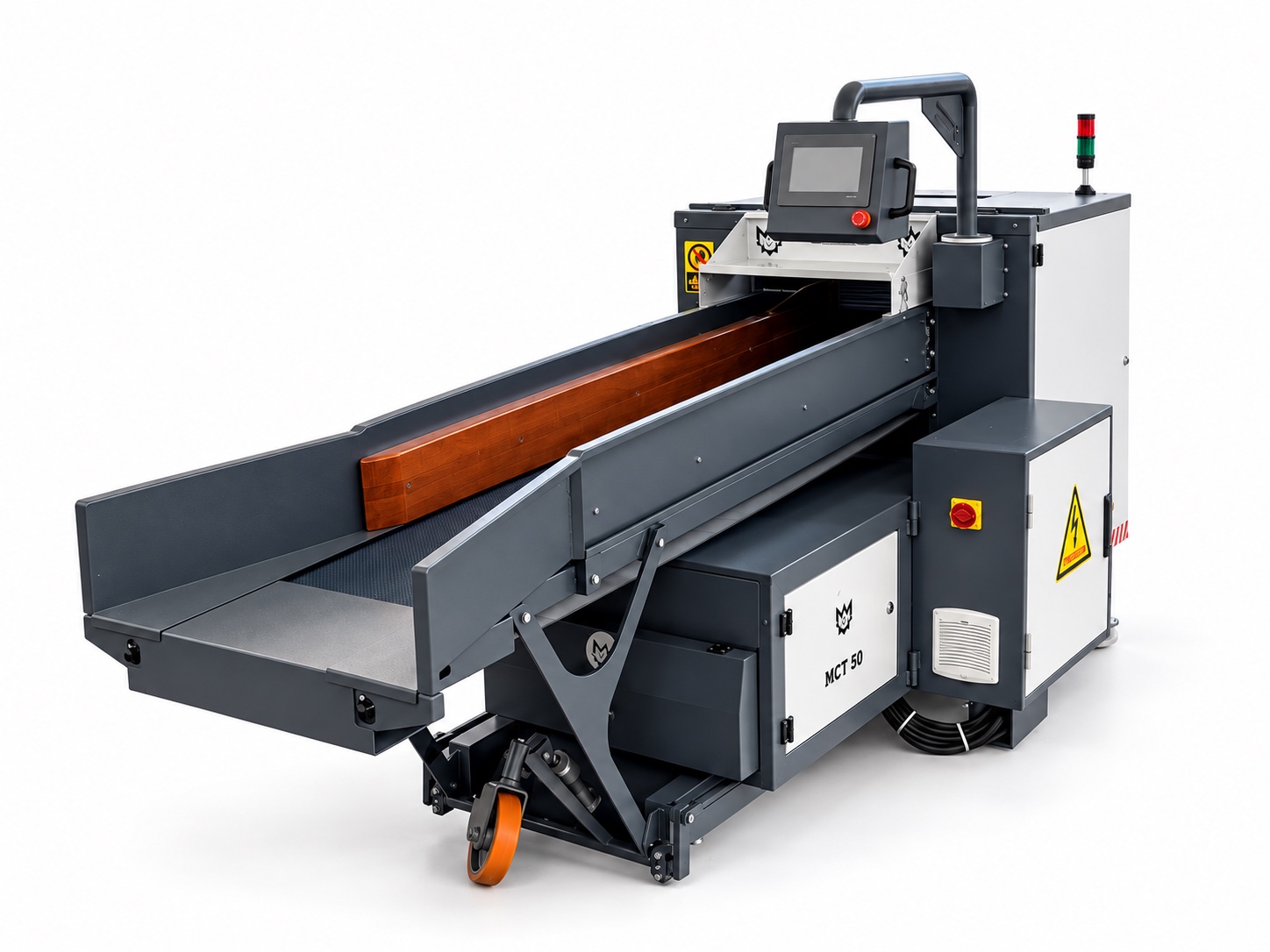
Textile waste behaves differently according to fibre and construction. Bulky fibre, dense woven trim and tangled carpet yarn cannot use one identical feeding recipe.
Define the waste, remove contamination and select the target length from the next process. Final settings should follow a sample trial.
Polyester fabric and fibre
Woven and knitted pieces can fold into dense packs, so distribute them evenly. Bulky loose fibre needs controlled compression and stable feeding.
Nylon and yarn waste
Long yarn can tangle and bridge. Open the pile before feeding and avoid sudden density changes. Oily or slippery waste requires an additional handling test.
Carpet yarn, acrylic and nonwoven
Carpet yarn needs a feed arrangement that avoids manual pushing. Dust matters for acrylic, while layer count and compression matter for nonwoven. Special inputs such as glass fibre need a separate wear and safety review.
Common controls
- Test a representative sample
- Remove metal and hard contaminants
- Set length for the next process
- Feed an even layer
- Inspect knives during changeovers
- Assess dust, wrapping and static